.jpg)


BAME entrepreneurs: the challenges and secrets
Updated: Mar 11, 2019
Being an entrepreneur can be tough but being a black and ethnic minority entrepreneur can be even tougher
By Shannon Weir
London is ranked in the top five most multicultural cities in the world, with one in five people being black or of ethnic minority (BAME). Different ethnicities have migrated far and wide with the largest minority groups coming from Pakistani, Indian and Caribbean decent, creating a melting pot of culture, diversity and of course delicious cuisine.
However, this diversity is not reflected in the amount of ethnic minority led businesses in the UK. Although, 13% of the UK’s population is BAME, only 5% of businesses are led by a BAME business owner. Most people of black or ethnic minority will be familiar with the saying ‘we have to work twice as hard to get half of what they have’. But what exactly is stopping the progression of BAME businesses? And what challenges are BAME entrepreneurs facing?
When running your own business, appearance is everything and first impressions last. To make a good impression in the workplace, we can always throw on a suit or something smart, but what happens when the colour of your skin affects the way you’re judged? Faced with stereotypes of how their race acts in a working environment, BAME entrepreneurs tend to have to work that little bit harder to prove themselves to potential clients. Manager at UK Black Business Show, Ezekiel Leye says: “As a black man, in any industry I enter, they will already have preconceived notions of how I will behave. In some instances we (black people) are at the bottom of the totem poll.” Diversity campaigner and founder of Nu Bride, Nova Reid says that BAME business owners, like herself, are often not taken seriously as entrepreneurs. “People just assume that you can’t possibly be the owner of your own company.” She has been repeatedly mistaken for working in an assistant role at her own business. But Reid is not alone, according to a Harvard Business Review, almost half of black and Latina women in STEM (Science, Technology, Engineering and Mathematics) professions reported that they have been regularly mistaken for cleaners. According to Reid, these false assumptions are usually unintentional and are mainly due to stereotypes and a general lack of representation of BAME workers and entrepreneurs. She believes that micro aggressions are often to blame for harmful stereotyping.
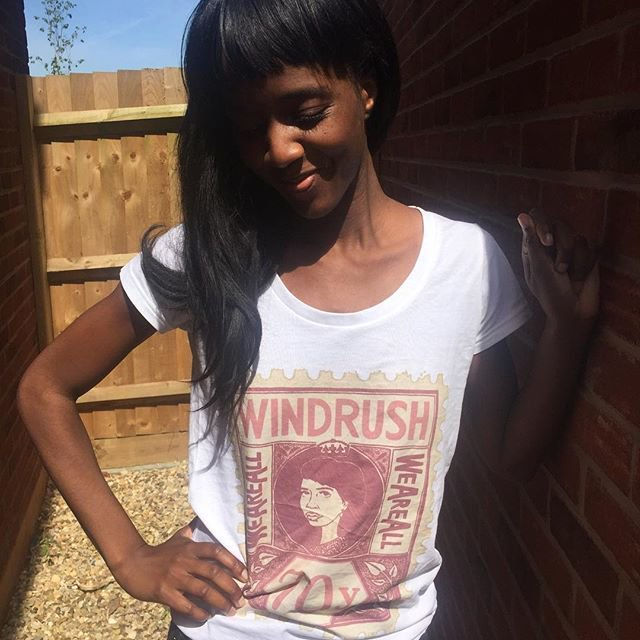
Micro aggressions are the casual everyday slurs and insults which subtly express racial biases or discrimination against any minority group. Reid uses the example of making jokes about black people always arriving late or “running on black people time”. This form of light-hearted stereotyping can be particularly damaging because micro aggressions are generally seen as socially acceptable which is why they’re often repeated and become stuck in our memory. This can result in clients avoiding to work with BAME entrepreneurs and businesses.
CEO at Croydon BAME Forum, Andrew Brown explained that although he has never faced vocal acts of racism in a business environment, clients can often seem more sceptical towards him and his company then perhaps they would towards a white British led business. “You may have to go over 3 or 4 steps more then another company.” A general lack of trust towards an ethnic minority can be a result of repeated micro aggressions causing us to start to believe stereotypes. Reid says: “Micro aggressions do even more harm to people of colour in the workplace than any other acts of racism.”

Ethnic minority entrepreneurs, who are involved in advocacy work, can be even more vulnerable to racism as their image is constantly in the public eye. After working and appearing in mainstream media outlets such as the BBC and Sky News, Reid fell victim to racist trolling. Surprisingly, not only did the trolling come from the white British majority but also from her own community of black women.
Reid explains that there is often a lot of competition in business within her community. “There’s this fear of scarcity, in our community people think that if another black women is elevating then there’s no room left for them.” This is a problem which infiltrates into many BAME communities and minority groups in general. Leye believes that it is important for BAME entrepreneurs to stop seeing each other as competition and start working together as a supportive community explaining that “working together is the only way we can change how the world views (black people) us”.

Many entrepreneurs work hard to create a strong social media presence and often create their own business websites to attract potential clients. However this presents another issue for ethnic minority entrepreneurs as they are at risk of being rejected at first glance of their profile picture because of the colour of their skin. Reid explains that her black female mentees are often scared to put their photograph on their websites fearing that clients won’t want to work with them due to their race.
A study by Inside Out London proves that fears of being rejected job opportunities due to your minority status are justifiable. During the study two identical C.Vs were handed out to 100 job applications but one having a typically British name (Adam) and the other a typically Muslim name (Mohamed). Adam was offered twelve interviews while Mohamed was only offered four, that’s three times fewer! The two C.V.s were then uploaded to four job websites and Adam was contacted by twice as many job seekers as Mohamed.
Discrimination and stereotypes are not the only challenges that BAME entrepreneurs are facing. Brown works with black and ethnic minority communities to help develop their businesses. He explains that the most common challenge BAME businesses face is finding substantial sources of funding. The UK government claim that they are tackling inequality by helping ensure all entrepreneurs can access the finance they need regardless of their background and statistics prove that 1 in 5 government loans go to BAME entrepreneurs.
However, Brown urges BAME business owners to think of other ways to provide funding for their business instead of relying solely on the government, advising that “they shouldn’t put all their eggs in one basket”. If a company relies solely on government funding, they run the risk of having nothing to fall back on if the government suddenly decides to stop financially supporting them.
The same applies to relying on one organisation to fund your business. Brown’s previous business, Elevating Success, was funded by 26 organisations. He says that aspiring entrepreneurs should ask a variety of businesses to fund them and they can also create their own GoFundMe pages to collect donations from the public to help them start their business.
Every entrepreneur faces challenges and unfortunately, being an ethnic minority entrepreneur can make things even harder, but that doesn’t mean that you should give up. CEO Andrew Brown says: “I may have faced racism, but I don’t let that hold me back.” He advises aspiring BAME entrepreneurs that if they work hard, know their product and believe in themselves then they will be successful.
Afghani business owner at takeaway shop Pizza Pizza has faced racism in previous jobs, but despite this he is still hopeful that “in this country, everyone who wants to work hard will receive their goal regardless of their race”. Entrepreneur Nova Reid advises aspiring BAME business owners to get a mentor who they can look up to and develop a strong support network of family members, business peers or people within their community. She also thinks that all entrepreneurs should use their profile picture on their website regardless of their ethnicity and “if clients are bothered about working with you because you’re black then they’re not your ideal clients anyway”.
Although only 5% of businesses currently have a BAME owner, the government is working to create equal opportunities for BAME entrepreneurs and things are slowly changing for the better. Sadiq Khan is the first London Mayor to put the capital’s diverse communities at the centre of his work in his new draft London Plan, this includes providing economic development opportunities for BAME Londoners.
In addition, Organisations such as UK Black Business Show and Asian business association are working to support ethnic minority businesses and increase networking opportunities. There are also numerous schemes set up to help young BAME adults develop their entrepreneurial skills and build business connections. The MeWe360 and Creative England incubator programme is one of many schemes which provide mentoring and business support for BAME entrepreneurs with start-up businesses.
On top of all this, City Bridge Trust has awarded a £1000 grant to London’s black and ethnic minority community organisations, some of which work to support BAME businesses. Manager at UK Black Businesses Show Ezekiel says that although ethnic minority entrepreneurs are faced with extra challenges “there are ways to overcome these obstacles and you should never let them limit you”.
Meet our 7 most inspiring BAME entrepreneurs below
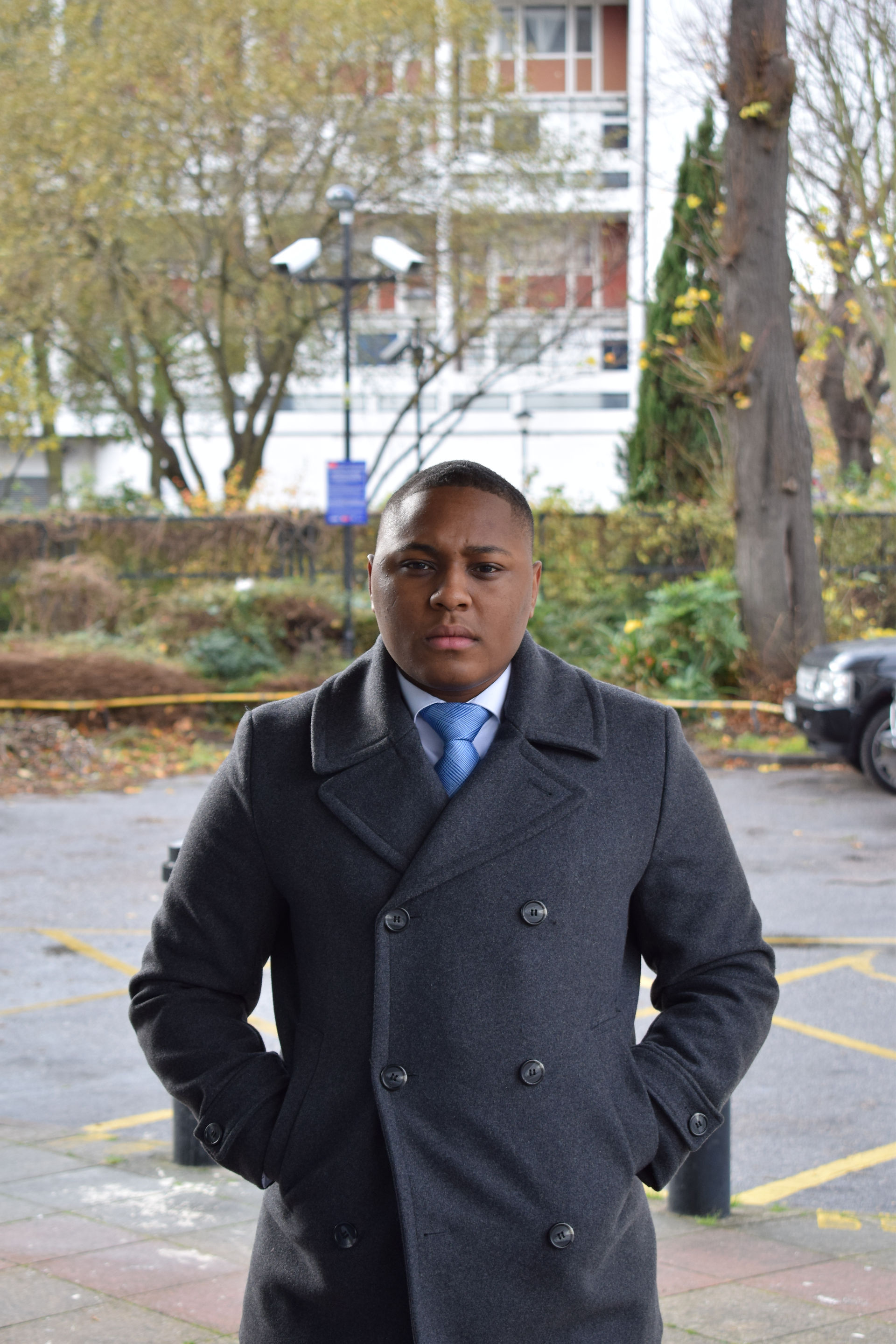
Croydon BAME Forum's Andrew Brown celebrating Black History month. (Photo courtesy of Facebook)



Comments